
Massachusetts Avenue Project
75th Anniversary Honoree
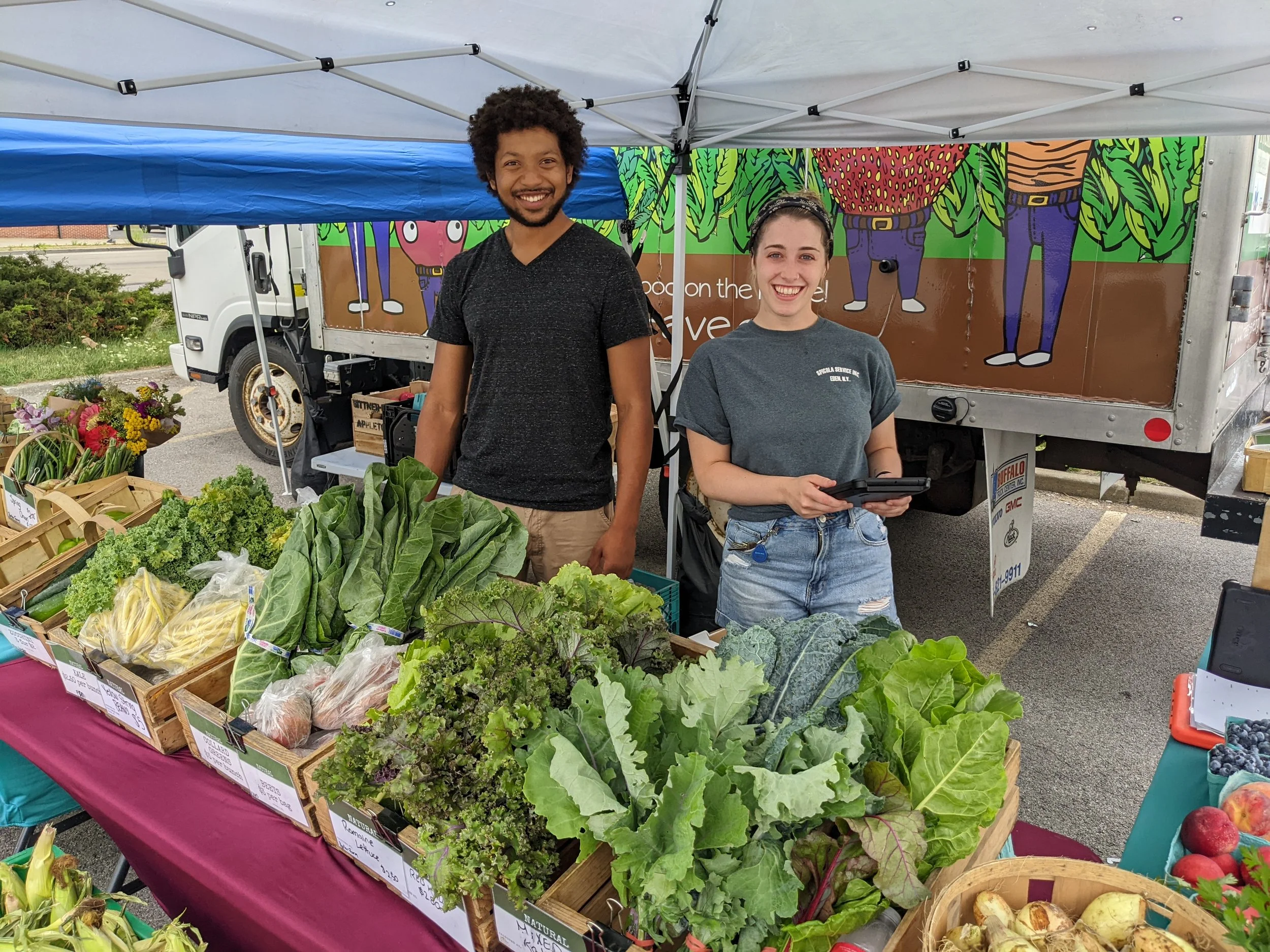

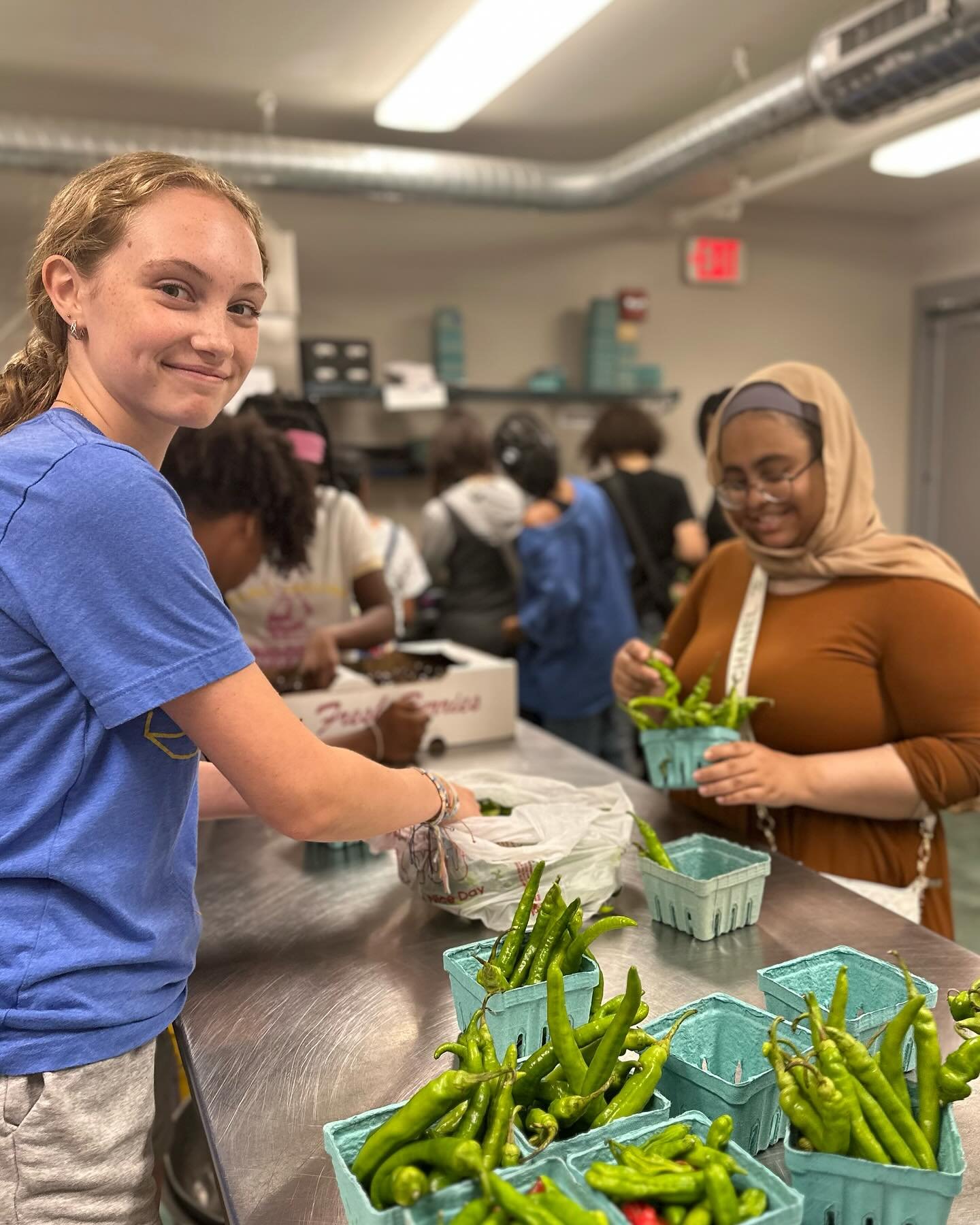
Massachusetts Avenue Project (MAP) knows a thing or two about growing. For years, MAP has helped young people grow into leaders, helped seeds become food and helped communities build greater control over what ends up on their tables. But as the organization itself grew, something else became clear: the roots supporting that work needed to grow too.
MAP’s mission is to build food sovereignty in Western New York. Its work includes providing jobs and leadership training for young people ages 14 to 20, creating economic opportunities for food-based entrepreneurs, addressing food insecurity, supporting local farms and teaching communities how to grow, prepare and preserve food.
Started by West Side neighborhood residents in 1992, MAP expanded its programs, partnerships and reach across Western New York over the decades to meet critical changing needs, but its administrative capacity wasn’t structured to keep up with the growth. The organization was doing more, serving more people and taking on increasingly complex work without enough infrastructure behind it.
MAP was introduced to the Western New York Foundation nearly two decades ago. An early grant from the Foundation supported youth in developing value-added products like salsa and salad dressing that they were able to sell in Wegmans and other locations. The relationship continued with funding for MAP’s first half-time development director, which came at a critical time when the organization was raising key funding to build the current Farmhouse, which was completed in 2018. From 2016 through 2025, MAP increased its revenue by 270%.
But perhaps one of the most significant chapters in the partnership came through the Foundation’s Impact Capacity Assessment Program, or iCAP. For MAP, iCAP provided something the organization rarely had: space to step back from the daily demands of the work and examine what it needed to become stronger. The process brought greater focus to its board, staffing, diversity, equity and inclusion work, programs and long-term sustainability.
It also helped MAP recognize that continued growth would require greater internal capacity.
Following iCAP, the Foundation provided a three-year grant to support an operations director and communications manager. Those positions became important for MAP’s ability to function, grow and respond to the community. The operations role strengthened internal systems and gave staff greater support while helping MAP evaluate its programs and respond to changing needs. The communications role transformed how the organization shared its work with the public and funders.
That visibility had a tangible effect. MAP began attracting new donors and increased support from existing ones, helping demonstrate that capacity-building could create impact well beyond the original investment. But the Foundation’s support goes beyond funding. It has connected MAP with other organizations, supported collaboration and created opportunities for people working across Western New York’s food system to learn from one another. The Foundation has also made a point of being present—visiting programs, attending community gatherings and listening to the people closest to the work.
For MAP, that willingness to listen has been as meaningful as the financial support.
The challenges facing the region’s food system are complex, and changing them requires more than responding to the immediate crisis. MAP is working toward longer-term changes in how food is grown, accessed and valued, while advocating for policies that can make the system more equitable. That work takes time and the capacity to do it.
The Western New York Foundation has helped MAP strengthen its own roots. And with stronger roots, there is more room to grow.
MISSION
To nurture the growth of a diverse, accessible, and equitable local food system, promote economic opportunities, and empower youth through social change education.